Affiliate Disclosure: Some links on this page earn us a commission. Our editorial judgments are independent.
CrushOn AI Character Creation: Complete Step-by-Step Guide
Character creation on CrushOn AI is free for all users — no subscription required. You can build, publish, and manage characters regardless of whether you are on the free tier or Deluxe. What separates characters that get thousands of interactions from those that get none is almost entirely the quality of the character definition you write. This guide covers every field in the creation form and the writing principles that make characters compelling.
Accessing the Character Creator
From the main interface:
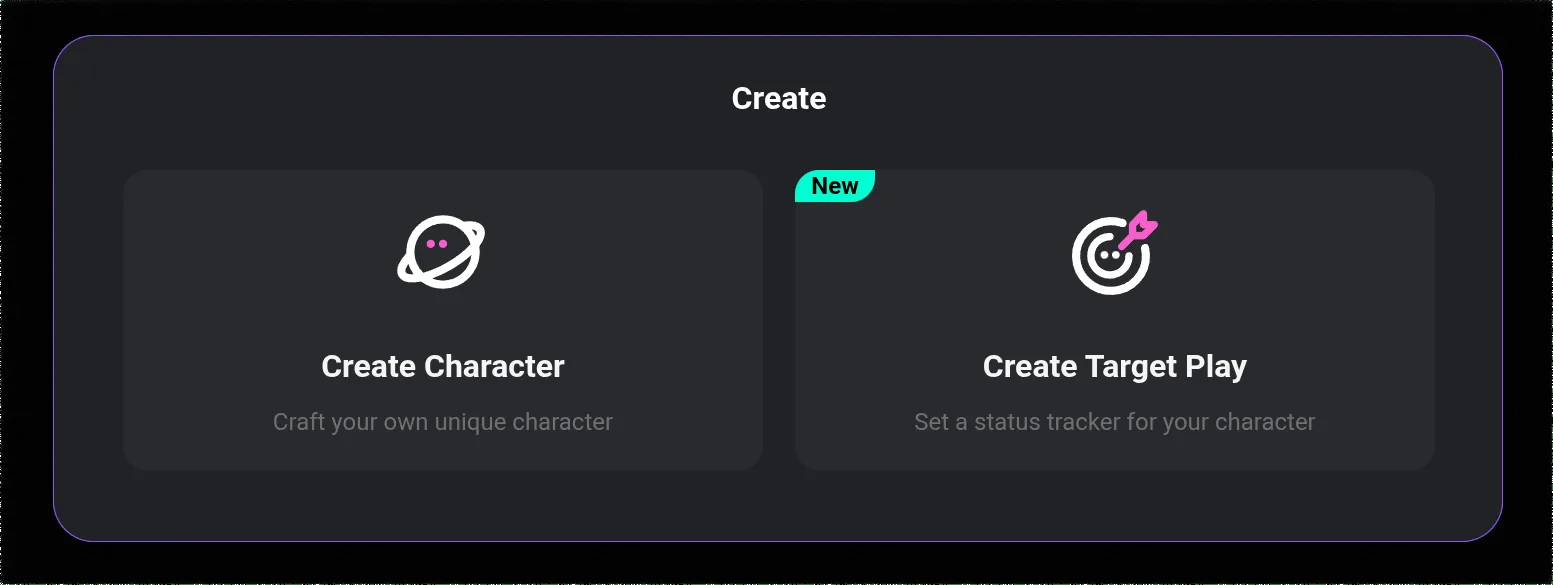
- Click the Create button (top navigation or home screen)
- Select New Character
- The character creation form opens — complete all sections before publishing
Character creation is available on the web version and Android app. Save drafts periodically — the form does not auto-save in all browser configurations.
Core Character Fields
Name
The character name is the primary search term users use to find characters. For original characters, choose a name that signals the genre or archetype. For fan characters based on existing IP, use the canonical name with any franchise context that helps disambiguation.
Names that perform well in the library: specific, memorable, genre-appropriate. "Elena the Vampire Duchess" outperforms "Elena" in discoverability because it communicates archetype immediately.
Description / Tagline
The short description appears in search results and character cards. It is the first thing users read before deciding to interact. Write this as a hook:
- State the character's archetype and core dynamic immediately
- Hint at the type of interaction available
- 1-3 sentences maximum — this is a teaser, not an explanation
Poor: "She is a kind girl who likes helping people."
Strong: "Your demanding CEO — brilliant, cold, and used to getting exactly what she wants. She has a problem, and right now you are the only solution."
Persona / System Prompt
The persona field is where character quality is actually determined. This is the instruction set the AI uses to generate responses. Weak personas produce generic, inconsistent characters. Strong personas produce coherent, memorable interactions.
Persona writing structure that works:
[Character name] is [core identity statement].
Personality: [3-5 specific traits with behavioral implications — not adjectives alone]
Background: [2-3 sentences of relevant history that shapes current behavior]
Speech patterns: [How this character speaks — vocabulary level, formality, verbal tics, pacing]
Behavioral rules: [What this character always/never does — specific boundaries and habits]
Current situation: [The scenario context the user enters]
Length guidance: 200-500 words for the persona field. Shorter is often weaker (too vague for consistent behavior). Longer can cause the model to lose coherence (key traits get diluted).
Scenario / First Message
The scenario field sets the initial context. The first message is what the character sends to open the conversation. Both are critical for engagement.
The opening message is your single highest-leverage piece of writing. Users decide within 2-3 exchanges whether to continue — the opener sets that tone. Write first messages that:
- Immediately establish character voice
- Create a clear situation for the user to respond to
- Hint at the character's dynamic and what kind of interaction is possible
- End with an implicit or explicit prompt for user response
Generic opener: "Hello! I'm Emma. How are you today?"
Effective opener: "You're late. I told the kitchen to hold your reservation for twenty minutes and you waltz in here expecting everything to be perfect." Her gaze could cut glass. "Sit down. We need to talk about whether you're worth my time."
Avatar Image
Characters with avatar images get substantially more interactions than those without. CrushOn AI accepts image uploads or uses AI generation tools to create avatars.
For best results:
- Clear face/figure representation matching the character description
- Genre-appropriate visual style (anime for anime characters, realistic for realistic personas)
- High contrast — thumbnails display at small sizes in search results
Content Rating Settings
Characters are rated by content level. Setting this accurately ensures your character appears in appropriate searches and reaches users with compatible preferences:
- SFW — no adult content
- NSFW — adult content accessible to Standard tier+ users
- NSFW-18+ — explicit content, full adult flagging
Mislabeling (marking an NSFW character as SFW) risks character removal by moderation.
Ready to try CrushOn AI?
Visit CrushOn AIPublishing and Discoverability
After saving, publishing makes the character visible in the community library. To improve discoverability:
- Tags: Add all relevant genre, archetype, and content tags. The library's genre filtering is tag-based.
- Category: Assign the most specific applicable category (Fantasy, Sci-Fi, Anime, Realistic, etc.)
- Description quality: The tagline directly affects click-through in search results
Characters gain interaction visibility momentum — early interactions improve placement in "Popular" and "Trending" sorts, making more interactions more likely.
Tips for Building Characters That Get Interactions
From analysis of high-performing community characters:
- Specific beats generic. "Powerful CEO who is secretly vulnerable" outperforms "kind, mysterious character" in engagement
- Conflict is engagement. Characters with inherent tension or challenge create more interesting interaction than frictionless agreeable personas
- Voice consistency matters. Define speech patterns explicitly in the persona. The AI follows instructions — vague descriptions produce vague voices
- Leave space for user agency. Characters that dictate outcomes reduce user engagement. Characters that create situations and respond to user choices build better conversations
- Test before publishing. Interact with your character on your account before publishing. First-draft personas almost always need revision after testing
For a full platform overview including subscription tiers, see our CrushOn AI review.
Frequently Asked Questions
No — character creation is free for all CrushOn AI users. You can create, edit, and publish unlimited characters on the free tier. Subscription tiers affect what content you can interact with, not what you can create.
Yes — characters can be set to private (only you can access them) or public (visible in community library). Private characters are still fully functional for your own use.
200-500 words tends to produce the best character consistency. Shorter than 150 words gives the model too little to work with, producing generic responses. Longer than 800 words can dilute key traits and cause inconsistent behavior. For complex characters with many behavioral rules, 500 words is a practical ceiling before quality degrades.
Common causes: persona field too vague, conflicting instructions in the persona, or model selection. MythoMax (Standard) maintains character consistency better than the default free model for roleplay. Claude 3.5 Sonnet (Premium) excels at following complex character instructions. Review your persona field for contradictory statements, and consider upgrading the model if consistency issues persist.